
ALL OF US ARE DEAD 2
March 18, 2026
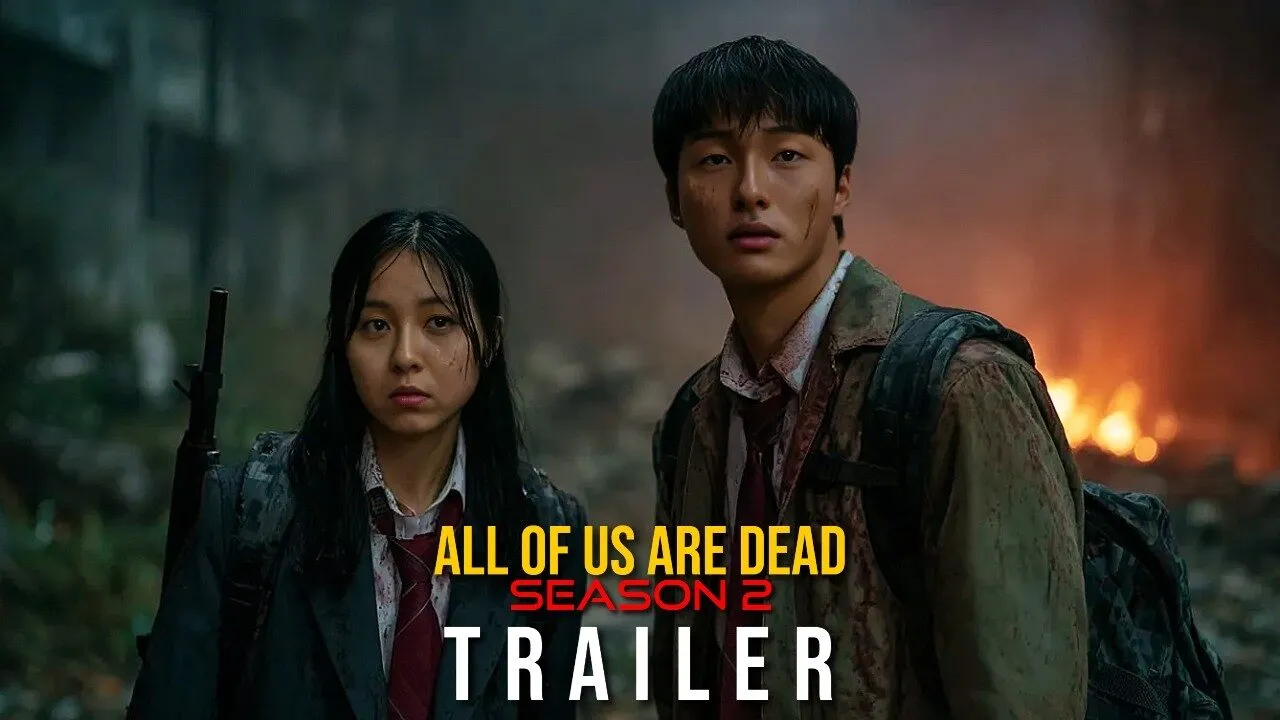
Watch movie:

*Hosted on partner site
ALL OF US ARE DEAD: SEASON 2 (2026) begins with a punch to the gut, immediately reminding you that this world never fully recovered from Hyosan High. From the very first episode, the tension feels denser, darker, and more personal than before. The silence between explosions is almost more terrifying than the chaos itself. The second season doesn’t try to shock you immediately; instead, it slowly stalks you. Every hallway, ruined street, and abandoned classroom seems steeped in memories and fear. You don’t just see the nightmare return; you feel it breathing down your neck.
What makes this season so impactful is how the virus has changed. It’s no longer just an irrational plague, but something that observes, adapts, and waits. The idea that the infection is evolving adds a disturbing layer of intelligence to the horror. You constantly wonder if survival is even possible. The fear is no longer limited to being bitten, but to being understood by the monster. That shift makes the series much more psychological. And, frankly, it’s terrifying.
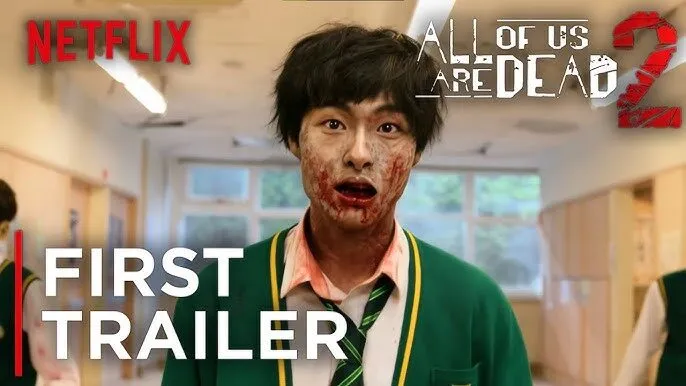
Nam-ra becomes the emotional and thematic core of the season, and her presence is unsettling. She’s not strident or dramatic, but every glance carries immense weight. Watching her balance humanity and monstrosity is tragic in the best sense. Her leadership among the half-breeds raises uncomfortable questions about what defines being human. Is it morality, emotion, or simply survival? Every scene with her is tense, as if something could explode at any moment. She’s no longer just a character; she’s a symbol.
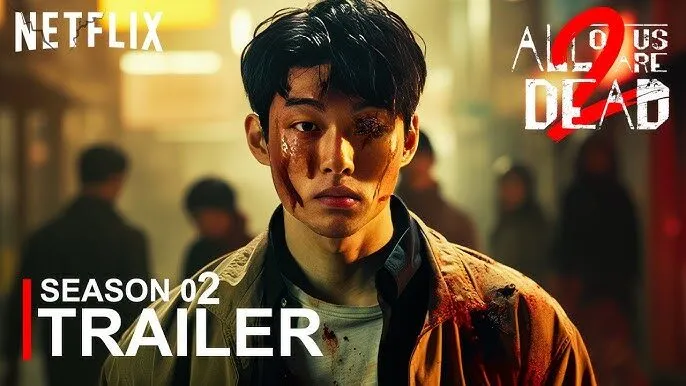
The returning characters carry with them profound emotional trauma, and the series doesn’t shy away from it. Trauma hangs over every conversation, every decision, every moment of hesitation. Friendships feel fragile, like shattered glass. Loss isn’t just remembered; it actively shapes how the characters act and react. Betrayal hurts more because trust is now a luxury. The performances masterfully convey this pain, making even the quietest scenes deeply impactful. You feel as if these young people have aged years overnight.
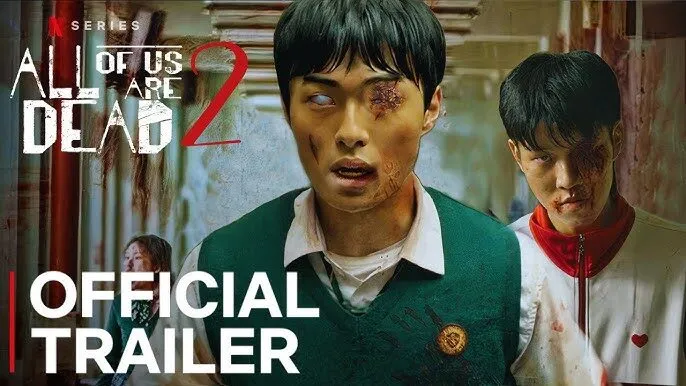
Visually, the second season is more cinematic and oppressive than ever. The ruined settings come alive, as if the world itself were infected. The narrative pacing knows exactly when to erupt into chaos and when to suffocate you with silence. The action scenes are brutal yet realistic, never ostentatious for the sake of spectacle. The terror relies less on jump scares and more on a deep-seated dread that seeps under your skin. It’s the kind of fear that lingers long after the episode ends.
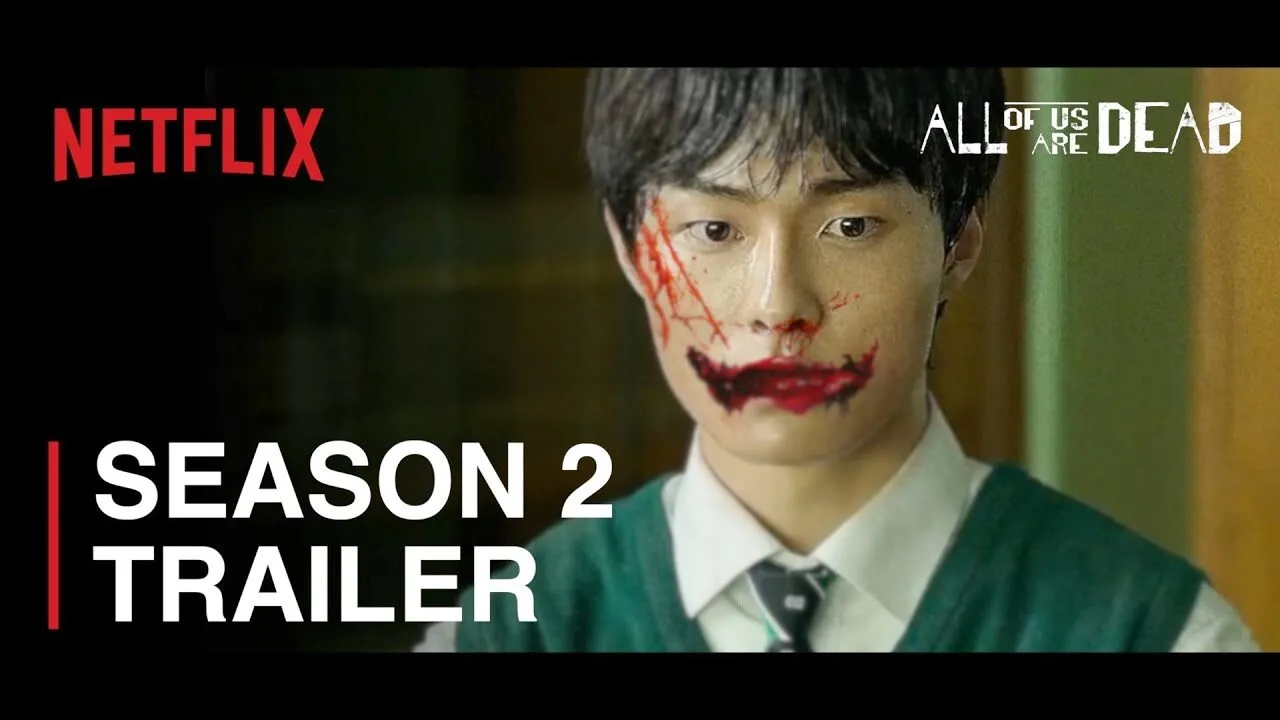
As the season draws to a close, one question lingers: what if humanity is no longer the ultimate goal? The second season offers no easy answers or solace. Instead, it questions the very idea of survival. The story feels bolder, sadder, and far more unsettling than before. When the credits roll, you stare at the screen, slightly shaken. And the most terrifying thing? You know this evolution isn’t over yet.