


POSE (2026) Returns: A New Chapter in Ballroom Legacy and Cultural Resistance
New York City — Nearly a decade after its emotional farewell, Pose is stepping back onto the ballroom floor. In 2026, the groundbreaking drama that transformed queer representation on television returns with a continuation that is less a nostalgic revival and more a generational reckoning. Industry insiders describe the new installment as both tribute and evolution — a series determined not only to honor its roots, but to test the weight of the legacy it helped build.
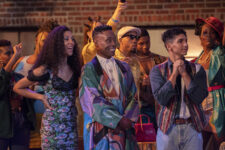
Set years after the original finale, Pose (2026) shifts its narrative focus to a younger wave of performers coming of age in a cultural landscape radically different from the one that shaped their predecessors. Social media algorithms, corporate sponsorships, and the commodification of queer aesthetics now orbit the ballroom scene, creating opportunities — and new forms of exploitation. Yet beneath the gloss of digital fame and brand partnerships, the pulse of the series remains intact: chosen family, resilience amid systemic neglect, and the radical power of self-definition.
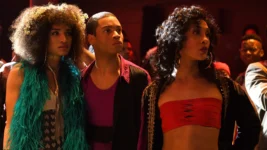
Producers emphasize that while familiar echoes of the original houses linger in spirit, the spotlight belongs to a new generation learning what it means to inherit a movement forged in crisis. Where the AIDS epidemic once defined the emotional gravity of the show, contemporary realities now ground the drama — healthcare inequality, legislative battles over trans rights, and the psychological toll of visibility in an era of constant online scrutiny. The series resists flattening these issues into background noise; instead, they form the living architecture of its storytelling.
Visually, the revival preserves the cinematic grandeur that made Pose iconic. Ballroom sequences once again unfold as operatic spectacles — defiant, elaborate, and emotionally electric. Costumes shimmer with layered symbolism, and each category walk becomes a declaration of identity and endurance. Yet the spectacle never eclipses intimacy. Kitchen-table conversations, hospital corridors, rehearsal studios, and late-night confessions provide the emotional scaffolding that anchors the pageantry in lived experience.
Critics who have previewed early episodes note that the 2026 chapter deepens its exploration of generational tension within the LGBTQ+ community itself. Younger characters challenge the compromises and strategies of survival embraced by their elders, while veterans of the ballroom era grapple with reconciling activism and authenticity in a more commercialized, corporatized cultural moment. The result is storytelling that refuses easy nostalgia, interrogating instead what progress truly means — and who it ultimately serves.
Culturally, Pose once reshaped the television industry by centering Black and Latina trans women in leading roles, shifting representation from tokenism to narrative authority. Its return reaffirms that commitment, not as trend-driven programming, but as a deliberate statement. In an era when diversity initiatives face renewed scrutiny and political backlash, the revival positions itself as a reminder that authentic queer storytelling remains essential, not optional.
As ballroom lights flicker back on in 2026, Pose demonstrates that legacy is not a museum artifact — it is a living inheritance. It is debated, reshaped, and carried forward by those bold enough to claim it. In a cultural moment where representation remains contested terrain, the series once again stakes its claim: visibility is power, community is survival, and the runway endures as both stage and battleground — where identity is at once armor and art.